News
·
Own Your Platform: Why Social Media Is Not a Strategy
For over a decade, creators have been told to “build their platform.”
In practice, most of them built something else entirely.
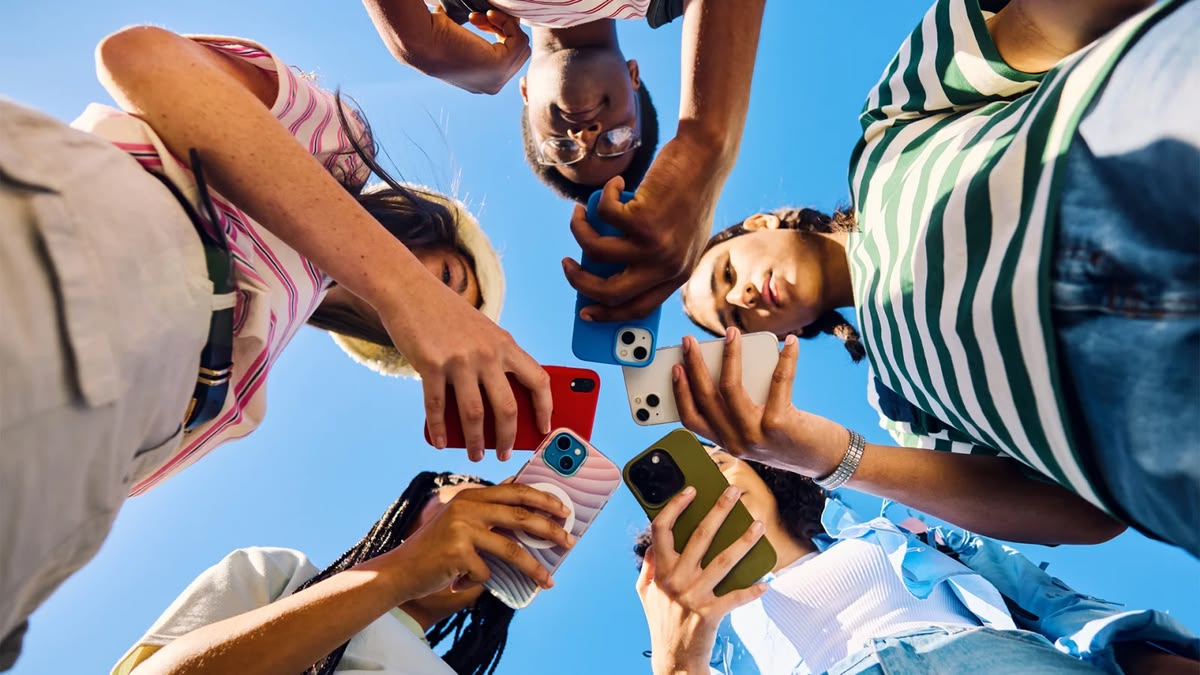
They built profiles inside systems they do not control. An Instagram page. A YouTube channel. A TikTok account. Spaces that feel personal, but are ultimately owned by someone else.
These tools are powerful. They can generate reach, accelerate growth, and unlock opportunity.
But they are not infrastructure.
And that distinction changes how durable your work actually is.
The Misunderstanding
When creators say, “I built my platform,” what they often mean is that they built a following.
But a following, on its own, is not a foundation.
It is access, and more specifically, it is rented access.
The underlying systems still belong to the platform. They determine how content is distributed, how audiences are reached, and how monetization works. Algorithms shift. Policies change. Features are introduced or removed without warning.
A creator can spend years building momentum, only to find that a single update changes how that momentum behaves.
If everything you have built lives inside one ecosystem, then the terms of that ecosystem define your business.
You are building on leased land.
Distribution Versus Destination
Social platforms excel at one thing.
Distribution.
They introduce your work to new people. They amplify your ideas. They create moments of visibility that would be difficult to achieve elsewhere.
But they are not designed to be a final destination.
They function more like highways than homes. They move people quickly, but they do not hold them in place.
A true home base looks different. It is something you control directly. A website that organizes your work and your offers. An email list that gives you direct access to your audience. A community space that does not depend on algorithmic ranking. Products that live on infrastructure you manage.
Distribution brings people in.
Ownership is what allows them to stay.
The Website Is Not Dead
As social platforms grew, many creators began to neglect their websites.
It felt unnecessary. Why invest in a site when attention was happening elsewhere?
But over time, the role of a website has become clearer.
It is not just a digital business card. It is a control center.
A well-structured website brings everything together. It houses your work, presents your offers, and guides visitors toward specific actions. It collects data you can actually use. It allows you to tell your story without competing against an endless feed.
Unlike social platforms, your website does not divide attention.
It concentrates it.
And concentrated attention behaves differently. It leads to deeper engagement and more intentional decisions.
Email Is Underrated Leverage
While platforms filter what people see, email delivers directly.
When someone shares their email address, they are choosing a different level of connection. The relationship is no longer mediated by a feed or an algorithm. It becomes direct.
This is why email continues to outperform many newer channels in terms of conversion. It is owned distribution.
It may not feel as visible or as immediate as social media, but its impact compounds over time.
Creators who rely only on followers often discover that reach is inconsistent. Creators who build subscriber bases develop something more stable.
Subscribers are not just an audience.
They are infrastructure.
Cross Platform Does Not Mean Scattered
Owning your platform does not require abandoning social media.
It requires using it with intention.
Social platforms remain one of the most effective tools for discovery. They bring new people into your orbit. They create awareness and momentum.
But that is only one part of the system.
Owned channels deepen the relationship. Products turn attention into revenue. Community builds retention and belonging.
Each layer serves a purpose.
The challenge is not using social media. The challenge is mistaking visibility for sustainability.
The goal is not to go viral over and over again.
The goal is to turn attention into something you actually own.
The Real Risk
The greatest risk in the creator economy is not low engagement.
It is dependency.
Dependency on a single platform. Dependency on a single income stream. Dependency on systems that can change without your input.
When everything is concentrated in one place, even small shifts can have outsized impact.
Ownership reduces that fragility.
It creates flexibility. It gives you leverage in negotiations. It stabilizes revenue when external conditions change.
Most importantly, it allows you to maintain a relationship with your audience regardless of where platforms move.
Build the House While You Trend
Moments of attention are valuable, but they are temporary.
The creators who think long term use those moments differently.
When visibility increases, they do not just produce more content. They build systems.
They capture emails. They direct traffic to owned spaces. They introduce products. They create assets that continue to generate value after the moment passes.
They treat attention as an opportunity to construct something more permanent.
They build the house while the spotlight is still on.
Because attention fades.
Infrastructure remains.
The Long Game
Social media will continue to matter.
It will remain a powerful engine for discovery and growth.
But it is only the beginning.
As the creator economy matures, the distinction between visibility and ownership becomes more important.
A profile is not a platform.
A following is not a foundation.
Reach is not control.
The creators who endure are not simply those who attract the most attention.
They are the ones who convert that attention into systems they own.
Because in the long run, distribution gets you seen.
Infrastructure is what keeps you standing.