News
·
Creatives vs. Creators: Why the Distinction Matters Now More Than Ever
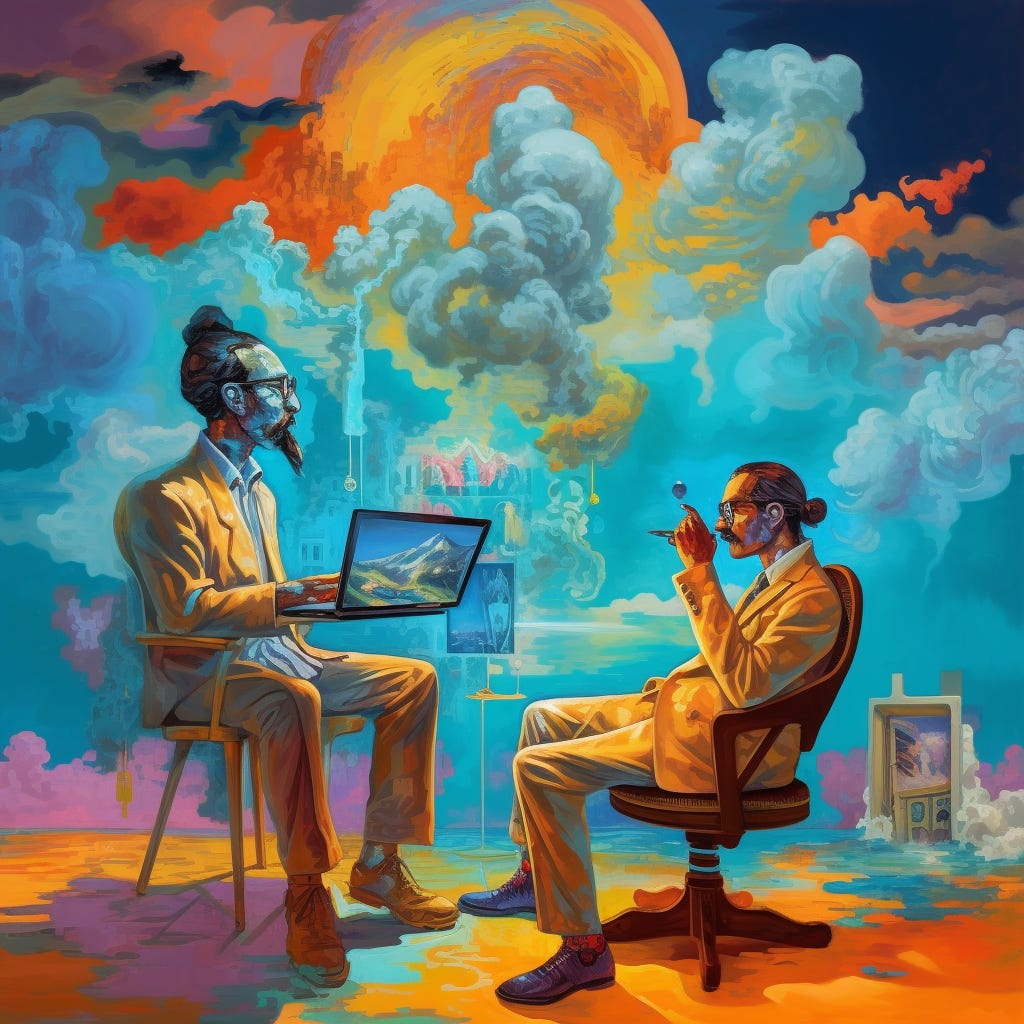
There was a time when calling someone a creative was enough. The word carried weight. It implied taste, skill, vision, and craft. A creative was someone who made things that moved culture forward. Designers, writers, filmmakers, photographers, stylists, producers, developers, and artists shaped what the world saw, felt, and consumed.
For decades, creatives operated inside systems. Agencies. Studios. Media companies. Record labels. Corporations. Their ideas fueled campaigns. Their aesthetics built brands. Their labor helped generate billions in value.
But they rarely owned distribution. They did not control the audience. More often than not, they did not own equity in the things they built.
They were essential but not always empowered.
Then the platforms changed everything.
YouTube. Instagram. TikTok. Substack. Patreon.
Suddenly, individuals did not just create. They could publish. They did not need a gatekeeper’s permission to reach an audience. They could cultivate community, build attention, and monetize directly.
This is where the word creator began to dominate.
A creator is not just someone who produces content. A creator builds audience. They think in terms of subscribers, engagement, conversion, retention, and ownership. They understand that attention is an asset class. They operate like media companies, even if they are teams of one.
The core difference is simple.
Creatives build assets.
Creators build leverage.
Creators control distribution. They negotiate from audience access. They monetize through subscriptions, digital products, partnerships, and owned intellectual property. They are brand and business at the same time.
Increasingly, they are bypassing traditional gatekeepers entirely.
But this shift has created tension.
Some creatives resist the label creator. It feels reductive. Algorithmic. Commercial. It feels like craft is being flattened into content.
On the other side, some creators undervalue depth. They optimize for virality over mastery. Speed over substance.
One side argues that real art takes time.
The other insists distribution is everything.
Yet this is a false binary.
The future belongs to the hybrid.
Across communities like Creative Economy Alliance, a new archetype is emerging. The designer who builds an audience around design education. The filmmaker who owns intellectual property and releases directly to supporters. The strategist who turns insight into a paid newsletter. The DJ who builds a global community before signing brand deals. The photographer who teaches workshops, licenses presets, and launches subscription content.
They are not choosing between craft and distribution. They are mastering both.
They are creative in skill and creator in strategy.
That combination changes everything.
When you own both craft and distribution, you control your narrative. You diversify revenue. You negotiate differently. You build long term equity.
This distinction is not about labels. It is about understanding where you sit in the value chain.
If you are a creative without distribution, you are dependent on someone else’s audience.
If you are a creator without craft depth, you are dependent on platform momentum.
Neither position is inherently wrong. Both have limitations.
The distinction matters because brands hire differently now. They are not just paying for skill. They are paying for access. A videographer with a deeply engaged audience has leverage. A designer with a loyal niche community has pricing power. Audience is influence. Influence is negotiating capital.
Ownership has also changed the game. In the old model, you were paid for output. In the new model, you are paid for access, intellectual property, and community. Creative labor used to be transactional. Creator leverage compounds.
Subscriptions. Digital products. Courses. Events. Brand partnerships. Equity deals.
These are not side hustles. They represent structural shifts in how value is created and captured.
Sustainability now requires strategy. Many creatives burn out chasing gigs. Many creators burn out chasing algorithms. Those who understand both roles can build differently. They can use craft to differentiate, distribution to stabilize income, and community to future proof their relevance.
This is no longer optional. It is foundational.
The creative economy is decentralizing opportunity. Gatekeepers are weaker. Communities are stronger. Audiences are more accessible than ever. Access alone is not power.
The real shift happens when creatives realize they do not just need recognition. They need ownership. And when creators realize they do not just need reach. They need depth.
So the real question is not whether you identify as a creative or a creator.
The real question is this.
Do you own your distribution?
Do you have direct access to your audience?
Are you building intellectual property or just producing output?
Are you developing your craft as deeply as your platform?
The answers determine your leverage. Leverage determines longevity.
This is why rooms matter. Not just algorithms. Not just comment sections. Rooms where strategy meets craft. Where ownership meets artistry. Where culture meets capital.
That is the bridge spaces like Cre8te Summit are building. Not a conference for influencers. Not a gathering just for artists. A convening for the next generation of creative infrastructure builders.
Because the conversation is not creative versus creator.
It is this.
Will you only create?
Or will you build?
Talent builds art.
Distribution builds leverage.
Ownership builds legacy.
The future belongs to those who understand all three.
Wanna learn more about how to join the creative economy? Join us in Seattle this May. We're bringing together makers, shakers and builders who are not only doing the work, but helping others turn creativity into income. 🎟 Get Tickets