From Talent to Operator
The creator economy didn’t arrive fully formed. It unfolded in waves.
The first wave was about attention: gaining visibility, building an audience, and learning how to capture cultural relevance at scale. The second wave followed naturally, monetization. Creators began turning that attention into income through brand deals, sponsorships, and partnerships.
Now, a third wave is taking shape. It is quieter, but far more consequential. This wave is about ownership. At its center is a new kind of figure emerging in real time, the Creator Founder.
For years, creators were positioned as distribution channels. Brands designed the products. Companies built the infrastructure. Institutions held the equity. Creators brought the audience. They were the face, the amplifier, the engine of visibility, but the value they generated often lived somewhere else.
Over time, a realization began to settle in. Attention is powerful, but it is not the highest form of leverage. Ownership is.
The Creator Founder is defined by that shift in understanding. They no longer see their audience as the end product, but as the starting asset. Instead of asking how to monetize the next post, they begin asking what they can build and what they can own.
Audience is no longer the destination.
It becomes launch capital.
Audience as Launch Capital
Traditional founders often begin with capital and go searching for an audience. Creator founders invert that model entirely.
They spend years building community first, spaces defined not just by reach, but by trust, dialogue, and shared identity. By the time they introduce a product, they are not guessing at demand. They are responding to it.
Their audience is not passive. It acts as early adopters, testers, collaborators, and customers. Feedback loops are immediate. Distribution is already in place. Brand affinity exists before the product even launches.
In this model, visibility stops being a vanity metric. It becomes leverage when used with intention.
The audience itself becomes proof of concept.
From Sponsorship to Equity
The original pathway in the creator economy was predictable: build an audience, secure brand deals, scale visibility, and repeat.
That pathway is now being rewritten.
Today, more creators are moving toward a different progression: build an audience, launch a product, own equity.
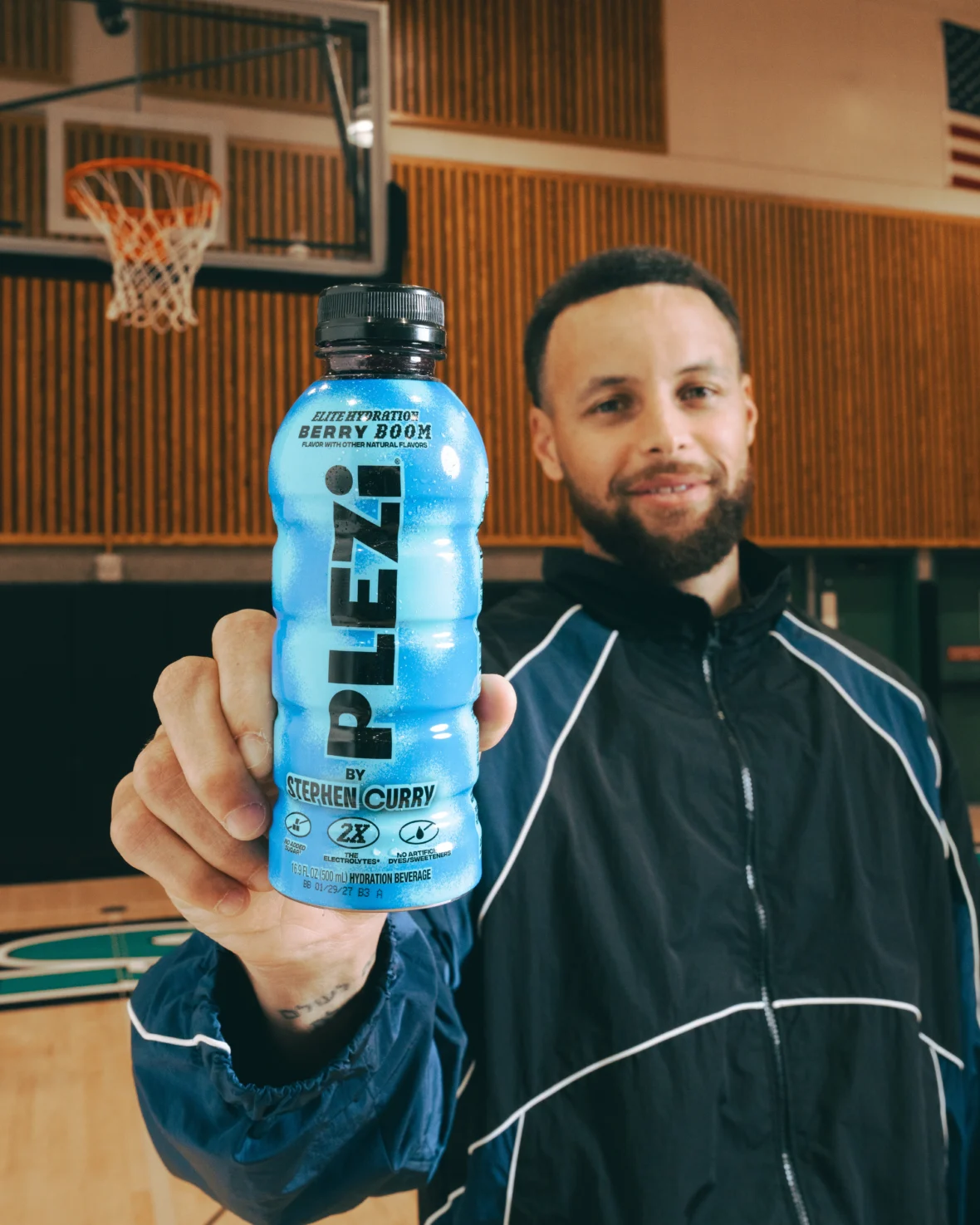
Instead of promoting someone else’s brand indefinitely, they are building their own across skincare, media, education, consumer goods, technology, and beyond. Some bootstrap. Others raise capital. Many are funded directly by their communities.
But the underlying shift is consistent. They are no longer renting influence. They are converting it into ownership.
Clout can generate income.
Ownership generates wealth.
And in that transition, the creator moves from spokesperson to stakeholder.
Building Differently
Creator-founded companies do not behave like traditional startups.
They are audience-informed from inception. Their storytelling is not layered on later. It is embedded from the beginning. Many build in public, sharing iterations and inviting their communities into the process as it unfolds.
This creates a different kind of relationship. Not transactional, but relational. Trust is established long before any purchase decision is made.
So when a creator founder launches something, the audience does not feel marketed to.
They feel included.
That distinction changes everything.
A New Capital Stack
As the Creator Founder emerges, capital is evolving alongside them.
Investors are beginning to recognize that distribution itself is defensibility. A deeply engaged audience reduces customer acquisition costs, accelerates growth, and provides built-in validation. Cultural fluency becomes a competitive advantage.
Creator founders now enter funding conversations with leverage, community, traction, and demand already in motion.
At the same time, many are choosing alternative routes. Crowdfunding, pre-orders, memberships, and strategic partnerships allow them to scale while maintaining control. They are less dependent on traditional venture pathways and more willing to build on their own terms.
Ownership is no longer confined to a narrow set of insiders.
It is becoming accessible to those who understand both culture and distribution.
Beyond Products
Not every creator founder is building a product. Many are building infrastructure.
They are launching platforms, agencies, media collectives, education networks, and cultural institutions. They are not just monetizing their own audiences. They are creating systems that support others.
This is where the shift becomes structural.
When creators build platforms, they influence who gets visibility. When they build agencies, they shape how revenue flows. When they build communities, they help determine how culture organizes itself.
Ownership begins to compound influence.
And influence, when institutionalized, reshapes power.
The Responsibility of Ownership
This transition from influencer to founder is not just cosmetic. It is operational.
Ownership requires governance. It means hiring teams, allocating resources, making decisions that affect livelihoods, and shaping internal culture.
Creative expression evolves into leadership.
To operate at this level, creator founders must develop new capacities: financial literacy, negotiation, hiring strategy, long-term planning, and organizational design.
The ecosystem around them must evolve too. Content strategy alone is no longer enough. There must be a broader emphasis on ownership literacy.
The future creator is not just producing content.
They are building a company.
A Generational Shift
What is happening now is not isolated. It is generational.
Emerging creators are entering the space with a different mindset. They are not solely chasing virality or sponsorships. They are studying cap tables, analyzing ownership structures, and building with intention from the beginning.
They think about valuation alongside visibility.
They are no longer asking how to go viral.
They are asking how to build something that lasts.
That question signals a deeper shift toward long-term thinking and the rise of a new class of builders.
What Comes Next
As the Creator Founder becomes more prominent, the ripple effects will extend across industries.
Brand partnerships will move toward equity-aligned collaborations. Investment models will increasingly factor in audience strength and community trust. Media will continue to decentralize as creator-led platforms expand. Talent representation will adapt to founders who already own their distribution.
The lines between creator, entrepreneur, and executive will continue to blur.
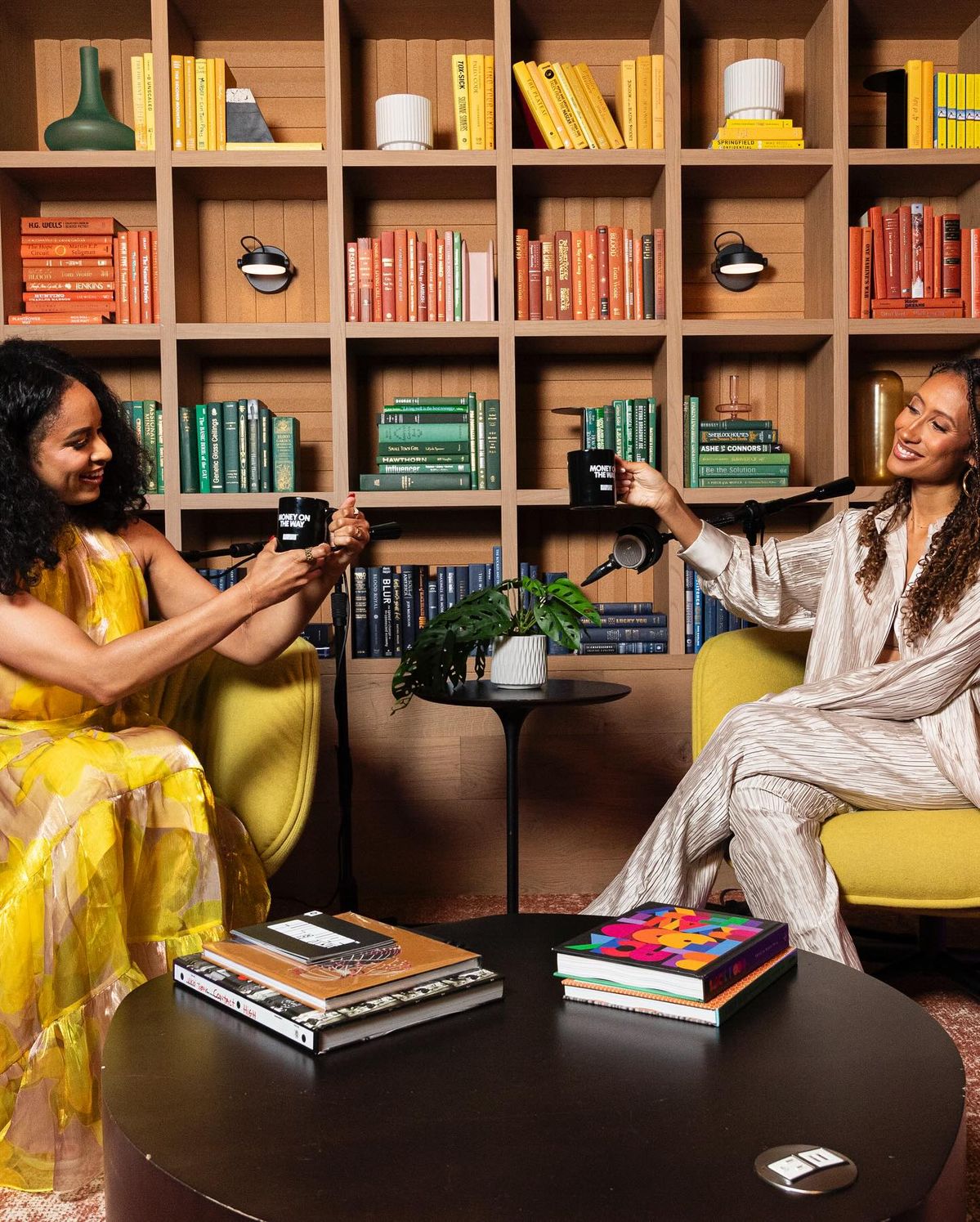
The environments that bring together creators, operators, and capital will become more important than ever. Ownership is not intuitive. It is learned, shared, and refined through ecosystems.
The Creator Founder does not emerge alone.
They are shaped in community.
The rise of the Creator Founder is not a trend. It is a shift in how value is created and captured.
Attention opened the door.
Monetization made participation possible.
Ownership will make it durable.
The creators who recognize this will not simply participate in the market.
They will build the institutions that define it.